
Search  for anything...

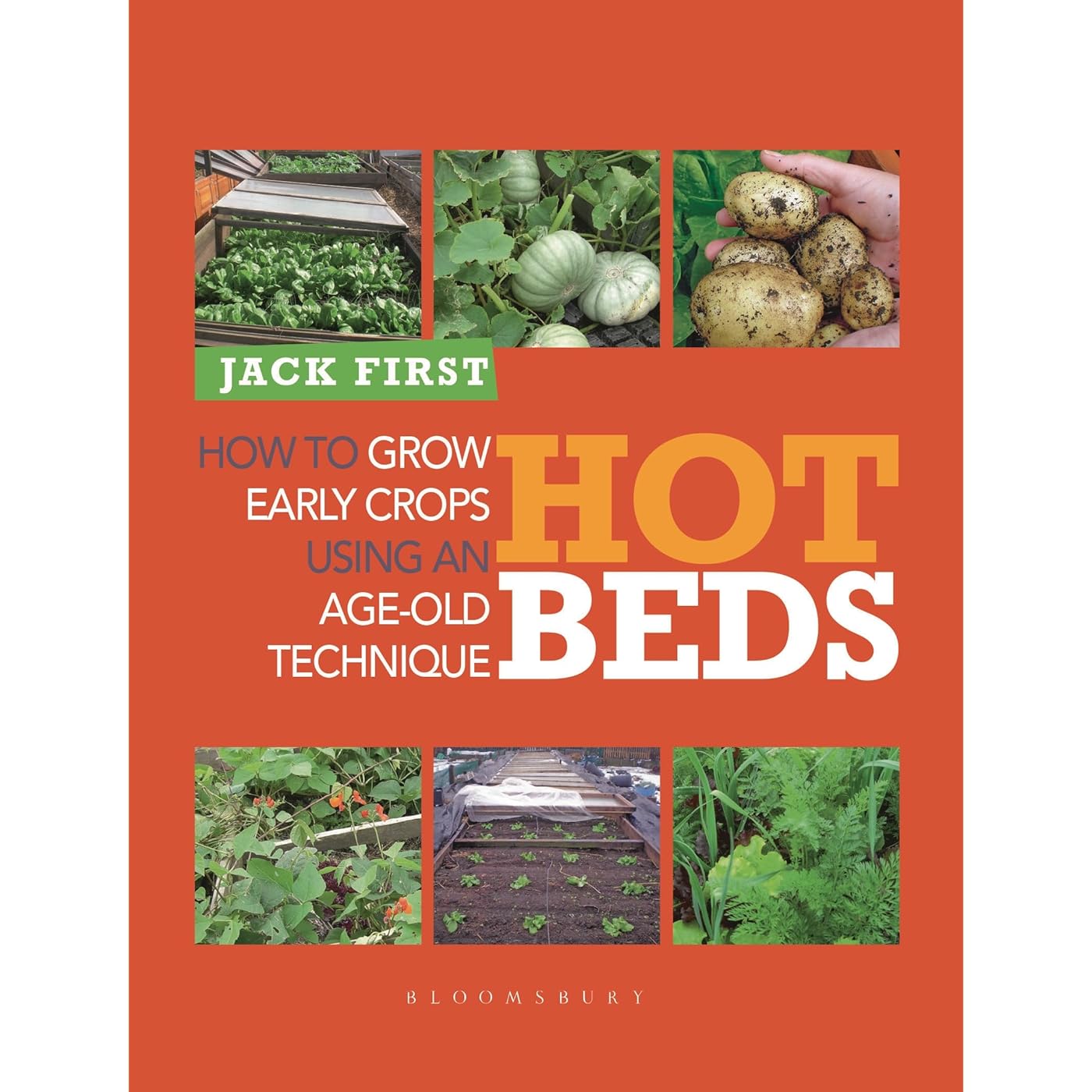
Hot Beds: How to grow early crops using an age-old technique

  • Based on 0 reviews
Condition: New
Checking for the best price...

Buy Now, Pay Later


As low as $4 / mo
  • – 4-month term
  • – No impact on credit
  • – Instant approval decision
  • – Secure and straightforward checkout

Ready to go? Add this product to your cart and select a plan during checkout.

Payment plans are offered through our trusted finance partners Klarna, Affirm, Afterpay, Apple Pay, and PayTomorrow. No-credit-needed leasing options through Acima may also be available at checkout.

Learn more about financing & leasing here.

Free shipping on this product

FREE 30-day refund/replacement

To qualify for a full refund, items must be returned in their original, unused condition. If an item is returned in a used, damaged, or materially different state, you may be granted a partial refund.

To initiate a return, please visit our Returns Center.

View our full returns policy here.


Availability: In Stock.
Fulfilled by Amazon

Arrives Friday, Mar 6
Order within 20 hours and 39 minutes
Available payment plans shown during checkout

Protection Plan Protect Your Purchase
Checking for protection plans...

Description

A low-cost, sustainable approach to cultivating out-of-season vegetables in small spaces, using the age-old technique of growing in hot beds. The ancient method of growing vegetables in hot beds, used by the Victorians and by the Romans, harnesses the natural process of decay to cultivate out-of-season crops. In this easy-to-use guide, Jack First shares essential tips on how to reap the rewards available from modernizing and adapting this remarkable technique. With just stable manure (or alternatives), a simple frame and a small space to build your bed, you can be harvesting salads in March and potatoes in early April. This accessible, illustrated guide has everything you need to understand how to use this highly productive, low-cost, year-round, eco-friendly gardening system. Straightforward explanations and diagrams show how you too can grow early veg without fossil-fuel energy or elaborate equipment. Read more

Publisher ‏ : ‎ Green Books


Publication date ‏ : ‎ January 7, 2013


Edition ‏ : ‎ First Edition


Language ‏ : ‎ English


Print length ‏ : ‎ 128 pages


ISBN-10 ‏ : ‎ 0857841068


ISBN-13 ‏ : ‎ 63


Item Weight ‏ : ‎ 7.9 ounces


Dimensions ‏ : ‎ 5.45 x 0.4 x 7.05 inches


Best Sellers Rank: #864,821 in Books (See Top 100 in Books) #332 in Gardening & Horticulture Reference (Books) #356 in Gardening Encyclopedias #651 in Organic & Sustainable Gardening & Horticulture


Frequently asked questions

If you place your order now, the estimated arrival date for this product is: Friday, Mar 6

Yes, absolutely! You may return this product for a full refund within 30 days of receiving it.

To initiate a return, please visit our Returns Center.

View our full returns policy here.

  • Klarna Financing
  • Affirm Pay in 4
  • Affirm Financing
  • Afterpay Financing
  • PayTomorrow Financing
  • Financing through Apple Pay
Leasing options through Acima may also be available during checkout.

Learn more about financing & leasing here.

Top Amazon Reviews


  • Great for learning a new technique that boosts production in the home garden
Format: Paperback
This is a really cool book. It's written by someone in the UK so you'll have to adjust the build/plant dates a little for your zone, but the idea behind it, and the ease of setting up hot beds, is great. I tried my first one this spring and it's going gangbusters. The explanations and photos are extremely helpful, and it's surprisingly easy to get started with just organic material you have lying around. It's small but mighty; definitely recommend. ... show more
Reviewed in the United States on April 25, 2025 by Amanda

  • An ancient method of growing vegetables brought up to date
Format: Paperback
A concise book written by someone who tried and tested hot beds over many years. The information is clearly laid out with diagrams. I highly recommend this book for people of all ages who want to revive this ancient method of growing vegetables throughout the cold months.
Reviewed in the United States on March 2, 2025 by Hadar Fadida

  • Very informative
Format: Paperback
This opened up an area of gardening I knew nothing about and didn't know I needed. Can't wait to trust this!
Reviewed in the United States on February 21, 2024 by Dena Bisbee

  • Not much that I didn't know
Format: Paperback
Good info if you are a beginner.... not so much if you've been doing this for 30 years
Reviewed in the United States on September 30, 2024 by Nuclear Sandbox

  • This book changed my gardening life!
Format: Paperback
I make my hotbeds bigger than Jack's because we are in a zone 3/4 in Idaho and our cold is deeper and longer than his. The principles are exactly the same and I REALLY appreciate his efforts to bring this old practice into the light for our generation.
Reviewed in the United States on February 28, 2022 by Julianne S. Julianne S.

  • Every gardener 'must have book'
Format: Paperback
This is a favorite book of mine. Clear, easy to read and understand. I always used one form of hot bed and thought there may be more. This book showed me, and explained the principles, of all the variations.
Reviewed in the United States on August 12, 2016 by KMJ

  • Worth the Time and Money for Serious Gardeners
Format: Paperback
Clear, straightforward, and including historical information that I was delighted to read about that makes the case for using this method. I intend to use it next growing season.
Reviewed in the United States on April 18, 2016 by Raye

  • More detail would be helpful
Format: Kindle
I became mildly obsessed with the idea of starting vegetables early by putting a load of horse puckey underneath them. As you do. Covid quarantine has done weird things to my idea of a good time. This is the most complete book you'll find on the subject, although I found Caleb Warnock's book on winter gardening to be at least as helpful, if not a little more than. But nowhere does the author mention what to do if you, oh I don't know, cart a literal ton of horse manure to your backyard, dig a two foot deep hole, and find that it *doesn't* actually heat up to the temperature of Miami in July. This seems like an odd oversight. I got very excited and thought it was all a raving success when the soil got up to 108 briefly, but in retrospect that was because I added a bunch of alfalfa pellets (which are very nitrogen-heavy). I'll try again next fall and I'll definitely consult this book again, but it seems a shame not to have at least one trouble-shooting section to help you realize where you went wrong. (Maybe because my manure had wood shavings, not straw, which added too much carbon? Oh well.) It's certainly a cool technique! ... show more
Reviewed in the United States on April 7, 2021 by Jane

Can't find a product?

Find it on Amazon first, then paste the link below.
Checking for best price...